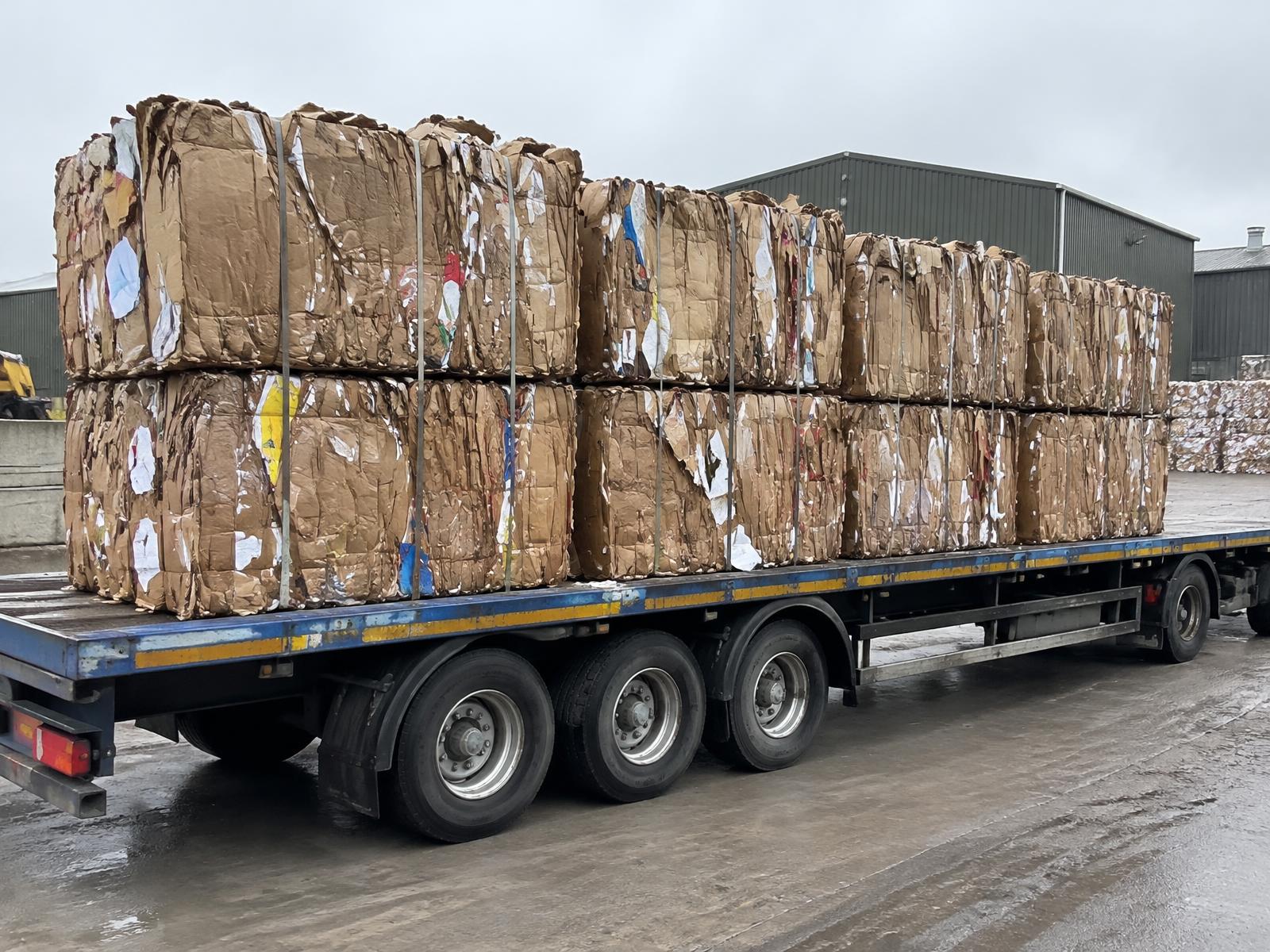
Baling cardboard turns loose boxes into compact, stable units ready for storage and collection. This guide covers the general workflow at a high level. It does not replace the manufacturer's manual or operator training for your specific baler model, and it does not cover safe operating procedure, which must come from your machine's current instructions.
Preparing Cardboard for Baling
Keep cardboard separate from unrelated materials. The DS Smith recycling process explains the role of sorting and contaminant removal in reprocessing. Keeping cardboard dry in storage before baling also helps avoid the condition issues covered in our guide on wet cardboard.
Loading and Compressing
Cardboard balers compact material into bales; the equipment reference describes this general purpose. Loading, compression and controls must follow the model manual and training. The specific loading method, cycle operation and controls differ between manufacturers and models, so this stage should always follow the instructions and training provided for your specific baler, not generic steps.
Securing the Bale
The bale needs the binding and release arrangements specified for the machine. The equipment reference provides general baler context, not a substitute for the correct tying instructions. Correct tying is important both for safe handling and for keeping the bale intact through storage and transport. Again, the correct method depends on your machine and the tying system it uses, so refer to your model's manual.
Storing Finished Bales
Finished bales are usually stored in a dry, accessible area ready for collection, with enough space to allow safe handling and vehicle access. Keeping bales undercover reduces the risk of moisture affecting their condition before collection.
Getting Trained on Your Specific Machine
Because baler models differ in their controls, safety features and recommended operating procedure, operator training or a supplier handover is the right way to learn the detailed steps for your machine, rather than a generic online guide. If you are selecting a baler and want to understand training and handover options, see our cardboard balers hub.
Once Your Bales Are Ready
Once cardboard is baled and ready to move, whether you produce small, medium or mill-size bales, we can assess a collection for any quantity. Check our collection requirements page for what we need to arrange a quote and plan your collection.
Details That Make Advice More Useful
Before asking for a recommendation, write down what your business already knows. Separate the number of bales from any estimated total weight, describe the cardboard condition, and note your available loading equipment. If you do not know a detail, say so rather than choosing a figure that sounds plausible. An honest “unsure” gives the team something to clarify.
For equipment discussions, include your estimated cardboard output and available floor space. Describe any access constraints and the arrangement you would prefer: hire or rental, leasing, purchase, or advice first. These are enquiry details, not a guarantee that a particular machine or collection arrangement will be suitable.
For a collection, clear photos of individual bales and the whole stored load help the assessment. Our team considers the actual condition, location and handling arrangements before confirming acceptance and a quote. Any collection charge or possible rebate is agreed before the collection is arranged. No fixed price, automatic rebate or collection slot is implied by an initial enquiry.
This article is for general information only and does not constitute professional or legal advice. For guidance on your specific waste, please contact our team.